Hakkında
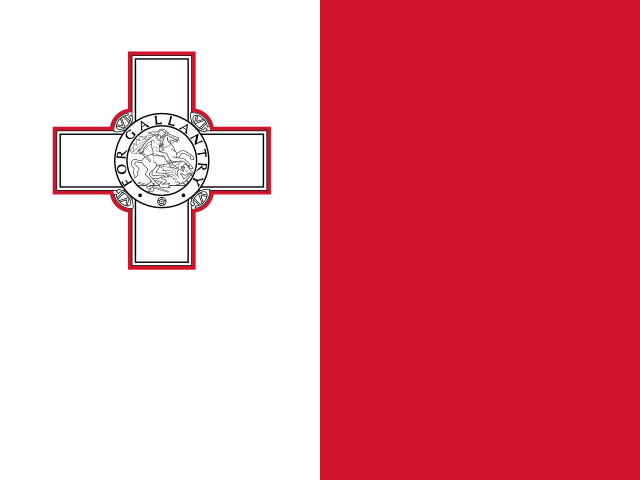
Neden Malta.
Malta'nın olağanüstü hizmetler için vatandaşlık çerçevesi, dünyada erişilebilir olan tek gerçek AB vatandaşlık-yatırım yoludur. Yedinci en güçlü pasaport, ABD, Schengen, Birleşik Krallık (eTA) ve tüm büyük Asya merkezleri dahil 187 vizesiz ülke.
Avrupa Komisyonu'nun 2025 sonrası uygulamasının ardından çerçeve iki rota üzerinde çalışıyor: 12 aylık nitelendirici oturma süresine 750.000 EUR katkı ya da 36 aylık yola 600.000 EUR. Çoğu dosya 36 aylık yola gider; 12 aylık istisna pratikte yılda 5 dosyadan az onaylanır.
Süreç gerçek bir oturma sahnesini gerektirir. Üç yıl gerçek mukimlik, ya kiralanan mülkte (yıllık 16.000 EUR civarı) ya da 700.000 EUR'luk satın alınan mülkte. Üç yıl sonra olağanüstü-katkı-vatandaşlığa-geçiş başvurusu yapılır.
Vergi yapısı güçlüdür. Domicile-dışı mukimler havale-bazlı vergiye tabidir: yurt dışı geliri yalnız Malta'ya getirildiğinde vergilendirilir. Sermaye kazancı vergisi yoktur. Veraset vergisi yoktur. AB anlaşma erişimiyle birleşince, bu Avrupa'nın en vergi-verimli HNWI yapılarından biridir.
Durum tespiti sektörün en sıkısıdır. Dört kademeli süreç. Fon kaynağı belgeleri denetim seviyesindedir. Reddedilme oranı %25 civarındadır. Boşa giden ücretleri önlemek için ön-tarama yapan ofisimiz, dosyayı sunmadan önce kapsamlı bir KYC pasajı geçirir.
Vatandaşlık verildikten sonra fiziksel varlık şartı yılda 15 güne düşer. Aile dahildir: eş, 26 altı bağımlı çocuklar, bağımlı ebeveynler ve büyükebeveynler. Identità-lisanslı bir hukuk firması zorunludur; her dosyada katılım mektubunda isimlerini açıkça veririz.
Yatırım rotaları
Yatırım nasıl çalışır.
3 rota mevcut. Hedeflerinize uyanı seçin.
Bağış
National Development & Social Fund (NDSF) contribution
Başlangıç
€600,000
Non-refundable contribution to the National Development & Social Fund. The amount drops to €600,000 after 36 months of residence; €750,000 for the 12-month track.
- Geri alınabilirHayır, iade edilemez
Avantajlar
Bu vatandaşlık size ne kazandırır.
Dünyanın 7. en güçlü pasaportu
Malta pasaportu, ABD, Japonya, Güney Kore ve tüm Schengen Bölgesi dahil 187 vizesiz ülkeye erişim sağlar. Birleşik Krallık girişi standart eTA ile.
Tam AB vatandaşlığı
AB üyesi olarak Malta, 27 AB üye devletinden herhangi birinde kısıtlama olmadan yaşama, çalışma, okuma ve iş kurma hakkı verir.
Vergi-verimli ikamet çerçevesi
Malta, domicile-dışı mukimler için havale-bazlı vergi sistemi kullanır: yurt dışı geliri yalnız Malta'ya getirildiğinde vergilendirilir. AB anlaşma erişimiyle birleşince Avrupa'nın en vergi-verimli yapılarından biri.
Asgari fiziksel varlık
İlk ikamet süresinden (12 veya 36 ay) sonra, vatandaşlık-sonrası ikamet şartı yılda yaklaşık 15 gündür.
İstikrarlı AB yargı yetkisi
Malta AB üyesi, Schengen ülkesi, Commonwealth üyesi ve euro kullanır. 1964'teki bağımsızlığından bu yana politik olarak istikrarlı.
Uygunluk
Kimler başvurabilir.
Ana başvuru sahibi
- ✓En az 18 yaşında
- ✓Temiz sabıka kaydı
- ✗Şu ülkelerde doğmamış: AM, CU, KP, IR, AF, RU, BY
Uygun aile üyeleri
- ✓Spouse
- ✓Children
- ✓Parents
- ✓Grandparents
Süreç
Adım adım nasıl işliyor.
Toplam: ~Standart hızlı yol için 12 ay; uzun yol 36 ay (€600K, €750K yerine).
- 1
Ön sözleşme değerlendirmesi
2-4 haftaKYC ön taraması, fon kaynağı denetimi ve program-uyum incelemesi. Malta, CBI sektöründeki en katı durum tespit rejimini işletir.
- 2
Oturma kartı başvurusu
4-6 haftaNitelendirici oturma süresini (12 veya 36 ay) başlatmak için E-Oturma kartı başvurusu.
- 3
Oturma dönemi
12-36 ayMalta'da birincil ikameti sürdür (gayrimenkul satın alma veya nitelendirici kira), yılda en az 15 gün fiziksel varlık ile.
- 4
Uygunluk başvurusu
4 haftaVatandaşlık uygunluğu için resmi başvuru Community Malta Agency'ye sunulur.
- 5
Durum tespiti incelemesi
4-8 ayDört kademeli durum tespit süreci. Malta'nın inceleme süreci sektörün en kapsamlısıdır.
- 6
Vatandaşlık verme ve yemin
2-4 haftaOnay; NDSF'ye katkı yapılır; Malta'da sadakat yemini edilir; pasaport düzenlenir.
Belgeler
Hazırlamanız gerekenler.
11 belge gerekli. Tümü apostilli ve (gerekiyorsa) tercüme edilmiş olmalı.
- 1Notarized passport copy
- 2Birth and marriage certificates (apostilled)
- 3Police clearance from all countries of residence (last 10 years)
- 4Bank reference letter
- 5Professional reference letter
- 6Detailed CV
- 7Medical certificate
- 8Tax returns for last 3 years
- 9Proof of source of funds (audit-grade)
- 10Investment confirmation
- 11Maltese health insurance (minimum €50,000 coverage)
SSS
Soruların yanıtları.
Malta gerçekten bir AB pasaportu mu?
12 ay mı 36 ay mı, hangi yolu seçmeliyim?
Durum tespiti ne kadar sıkı?
Malta'da fiziksel olarak yaşamam gerekiyor mu?
AB baskısı altında Malta hâlâ mevcut mu?
Yasal dayanak
Granting of Citizenship for Exceptional Services Regulations, 2020 (Legal Notice 437 of 2020) under the Maltese Citizenship Act (Chapter 188)
Son doğrulama: