Sobre
Por que Maurício.
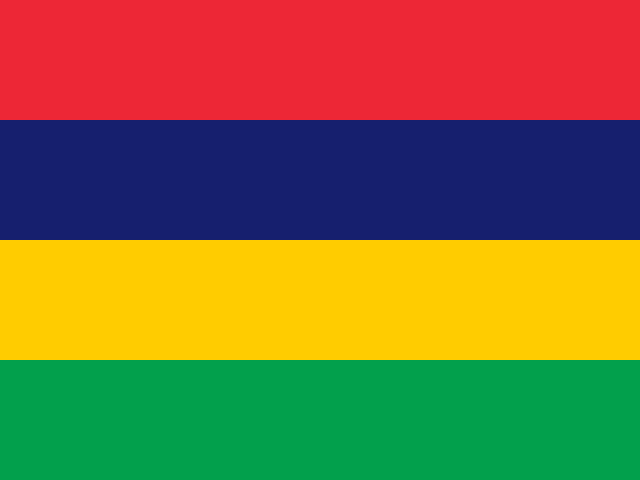
Maurício é o processo que recomendamos quando o briefing é «uma segunda casa real com uma posição fiscal real». A versão de marketing deste programa vende estilo de vida. A versão operacional vende neutralidade fiscal sobre a renda de origem estrangeira, em uma democracia estável com administração em inglês e conectividade decente de voos diretos para Europa, Golfo e Sul da Ásia.
Duas rotas, processos diferentes
A rota Property Development Scheme funciona para clientes que querem um ativo residencial na ilha e uma autorização de residência vinculada. Mínimo de USD 375.000 em um esquema aprovado pelo Conselho de Desenvolvimento Econômico. A autorização é emitida com base na compra e cobre a família.
A rota Occupation Permit funciona para clientes que realmente planejam operar um negócio a partir de Maurício ou que querem um ponto de entrada de capital mais leve. A variante de investidor exige USD 50.000 pagos a uma empresa mauriciana mais um compromisso de faturamento. A variante autônoma vai mais leve, com USD 35.000 mais um teste anual de renda.
Vemos cerca de 60% de nossos processos de Maurício pela rota PDS e 40% pela rota Occupation Permit, com a divisão se deslocando para Occupation Permit para clientes que já têm um negócio portátil que podem realocar substancialmente.
Posição fiscal, claramente
Maurício é jurisdição residente fiscal para qualquer pessoa que passe 183 dias lá em um ano fiscal ou que estabeleça residência fiscal mauriciana de outra forma através do teste de centro de vida. Uma vez residente, Maurício tributa sobre base de remessa a renda de origem estrangeira e sobre base mundial a renda de origem mauriciana. A alíquota fixa é de 15%.
Imposto sobre ganhos de capital: nenhum. Imposto sobre herança: nenhum. Imposto sobre patrimônio: nenhum.
O tratamento de remessa é a característica chave para clientes HNWI com portfólios internacionais. Dividendos de um fundo das Cayman, renda de aluguel de um imóvel em Londres ou distribuições de um LLC dos EUA permanecem fora do imposto mauriciano a menos que você traga o dinheiro para Maurício. Despesas de vida que você traz são tributadas em 15%.
Esta configuração é legítima, protegida por tratado e sobreviveu a múltiplas revisões da OCDE. Também é mais frágil politicamente do que parece; monitoramos o comunicado anual de orçamento de Maurício de perto em busca de qualquer sinal de mudanças na base de remessa.
Como o processo realmente se parece
Rota PDS da carta de engajamento ao cartão de autorização: 12-16 semanas para um processo limpo. O gargalo geralmente é a seleção de imóvel, não o lado governamental. Os tempos de aprovação do EDB são previsíveis na faixa de 4-8 semanas.
Rota Occupation Permit: 14-20 semanas. A etapa de constituição da empresa adiciona 2-3 semanas no início, e a revisão do plano de negócios é mais substancial que a aprovação PDS.
Quem redirecionamos para longe de Maurício
Para clientes que querem mobilidade UE acima de tudo, Maurício não é o processo. A residência mauriciana não dá acesso a Schengen. O passaporte mauriciano (posição 36 em 2026) dá, mas apenas após 5 anos de residência mais uma solicitação de naturalização.
Para clientes que querem um passaporte Plano B rapidamente, o Caribbean Five é mais rápido, mais barato e sem visto para Schengen no mesmo cronograma.
Maurício é o processo quando o briefing trata genuinamente de estabelecer uma terceira âncora de residência fiscal, com a conectividade África-Ásia que o local traz e com uma qualidade de estilo de vida e infraestrutura que justifica realmente passar tempo no terreno.
Regime tributário
O ângulo do planejamento tributário.
Imposto do residente: 15% fixo sobre a renda de origem mauriciana; a renda de origem estrangeira é isenta a menos que remetida. Sem imposto sobre ganhos de capital, sem imposto sobre herança, sem imposto sobre patrimônio.
Rotas de investimento
Como funciona o investimento.
3 rotas disponíveis. Escolha a que melhor se encaixa no seu objetivo.
Imóvel
Property Development Scheme purchase
A partir de
$375,000
Purchase of a residential property in a Mauritius Economic Development Board-approved PDS or Smart City scheme. Single-asset minimum USD 375,000; family permit included.
- RecuperávelProperty remains the buyer's asset; saleable subject to Mauritius transfer rules.
- Período de retençãomínimo de 0 anos
Benefícios
O que esta residência oferece a você.
Neutralidade fiscal sobre a renda estrangeira
Maurício tributa os residentes apenas sobre a renda de origem mauriciana, com alíquota fixa de 15%. A renda de origem estrangeira é isenta a menos que trazida para Maurício. Sem imposto sobre ganhos de capital, sem imposto sobre herança, sem imposto sobre patrimônio.
Estilo de vida insular bilíngue
Anglo- e francófono, GMT+4, clima subtropical o ano todo, voos diretos para Paris, Dubai, Joanesburgo e Mumbai. O argumento de estilo de vida é real, não uma frase de folheto.
Caminho para a cidadania
Maurício oferece naturalização após 5 anos de residência legal contínua, com o idioma não sendo uma exigência rígida. A maioria dos clientes HNWI mantém a autorização de residência indefinidamente sem solicitar cidadania.
Família incluída
A compra PDS cobre automaticamente cônjuge e filhos dependentes. O Occupation Permit cobre cônjuge e dependentes em autorizações derivadas.
Base africana operacional
Maurício está dentro da SADC e da Área de Livre Comércio Continental Africana, com tratados de dupla tributação por todo o continente. Para presença comercial no lado africano, é a base mais estável institucionalmente.
Elegibilidade
Quem pode se candidatar.
Requerente principal
- ✓Pelo menos 18 anos
- ✓Ficha criminal limpa
Familiares elegíveis
- ✓Spouse
- ✓Children
- ✓Parents
Processo
Como funciona, passo a passo.
Residência inicial: cerca de 8-14 semanas do processo completo à emissão da autorização.
- 1
Engajamento e seleção de rota
1-2 semanasSeleção de imóvel PDS ou configuração de empresa Occupation Permit. A opção PDS avança mais rápido.
- 2
Investimento
4-6 semanasCompra imobiliária notarizada ou constituição de empresa e transferência de capital.
- 3
Submissão da solicitação
1 semanaSolicitação de autorização protocolada no Conselho de Desenvolvimento Econômico de Maurício.
- 4
Aprovação em princípio
4-8 semanasEDB emite aprovação em princípio após revisão de due diligence.
- 5
Biometria e emissão da autorização
2-4 semanasDados biométricos coletados em Maurício; cartão físico de autorização de residência emitido.
Documentos
O que você vai precisar preparar.
10 documentos exigidos.
- 1Passport copy (notarised)
- 2Police clearance from current and previous countries of residence
- 3Medical certificate (HIV and tuberculosis screening required)
- 4Private health insurance for the duration of the permit
- 5Proof of investment (notarised deed or company registration)
- 6Bank statements (last 6 months)
- 7CV / business plan (for Occupation Permit routes)
- 8Birth and marriage certificates (apostilled)
- 9Photographs
- 10Permit application form
Perguntas frequentes
Perguntas respondidas.
O que é PRP versus Occupation Permit?
Preciso morar em Maurício para manter a autorização?
Como a posição fiscal realmente funciona para clientes HNWI?
Por que listam o ranking de passaporte nesta entrada se Maurício é apenas residência?
Base legal
Immigration Act 2022, Section 5A (Occupation Permit); Property Development Scheme regulations under the Economic Development Board Act
Última verificação: