US birthright citizenship: what the 2026 orders change
Two new US orders target narrow birthright citizenship cases and birth tourism. See what changed, what courts may test and what families should know.
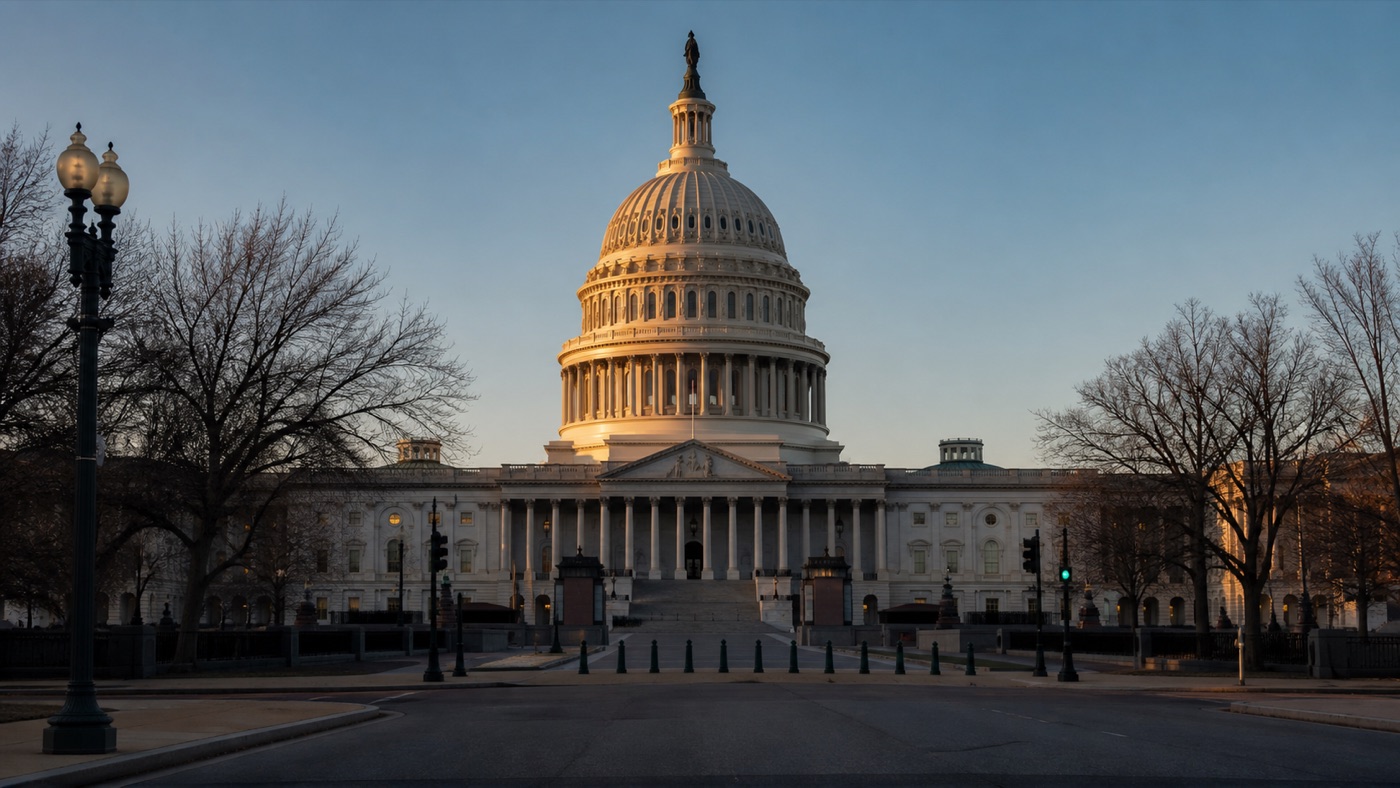
Two executive orders signed on 6 August 2026 have reopened a question many families thought the US Supreme Court had settled five weeks earlier. One order identifies births that the administration says should fall outside automatic US citizenship. The other expands federal action against travel arranged primarily so a child will be born in the United States.
The practical point is narrower than the headlines. The orders don't abolish birthright citizenship, and they don't turn a visitor visa into a citizenship route. They do create fresh risk for a limited group of cases, especially where neither parent is a US citizen or where money was paid to arrange a US birth.
For families considering American residence, this is also a useful reminder that citizenship at birth, permanent residence and naturalisation are three different legal subjects. Become Global Citizen treats them separately when reviewing a US plan.
What happened before the August orders
On 30 June 2026, the Supreme Court decided Trump v. Barbara. The Court held that children born in the United States to parents who were present unlawfully or held temporary status are citizens at birth under the Fourteenth Amendment. The judgment rejected the administration's earlier attempt to withhold recognition of citizenship from those children.
The Supreme Court's opinion is the starting point. It protects the general rule of birthright citizenship, but it doesn't answer every unusual fact pattern involving foreign officials, enemy nationals or a paid arrangement designed around the birth.
That gap is where the administration has placed the two new orders. Executive action can instruct federal agencies, yet it cannot amend the Constitution by itself. Courts will decide whether the disputed categories fit established exceptions or attempt to create new ones.
The new citizenship order focuses on four situations
The order titled Continuing to Protect the Meaning and Value of American Citizenship directs agencies to deny automatic recognition in specified cases where neither parent is a US citizen.
Its listed categories cover a child whose parent is treated as an alien enemy, a child of a foreign government employee and a birth connected to citizenship fraud or a paid effort to obtain birthright citizenship. It also covers births in a US territory or waters where a federal statute doesn't confer citizenship.
The list is expressly non-exhaustive. That phrase will attract attention in litigation because a citizenship rule needs a clear boundary. An agency may publish examples, but an open-ended category leaves families unable to tell from the order alone where the line sits.
The position of lawful permanent residents is another concern. The text uses a US citizen parent as its stated safeguard. It doesn't say that a Green Card holder's status necessarily ends the inquiry. That omission isn't the same as a final ruling against the child, though it makes the promised agency guidance important.
The paid-arrangement category is the hardest part
The most consequential language concerns payment. The order reaches conduct described as paying to place a mother in the United States or one of its territories for the purpose of giving birth. It also refers to a paid surrogate who is present there.
There is an immediate legal tension. Courts traditionally assess a child's citizenship from the circumstances of birth and constitutional rules, not as a penalty for a parent's misconduct. The government, by contrast, is framing some paid arrangements as fraud or as an attempt to manufacture the conditions for citizenship.
The order doesn't provide a dollar test. Nor does it explain whether ordinary hospital bills, lawful fertility treatment or support from a relative could ever be mistaken for a prohibited arrangement. In our office, that is the first question we would put to US counsel before anyone relied on a planned birth. The purpose of each payment and the paper trail behind it may matter far more than the amount.
No responsible adviser can now promise a US passport from a planned birth. That claim was risky before 6 August; it is untenable after the new wording.
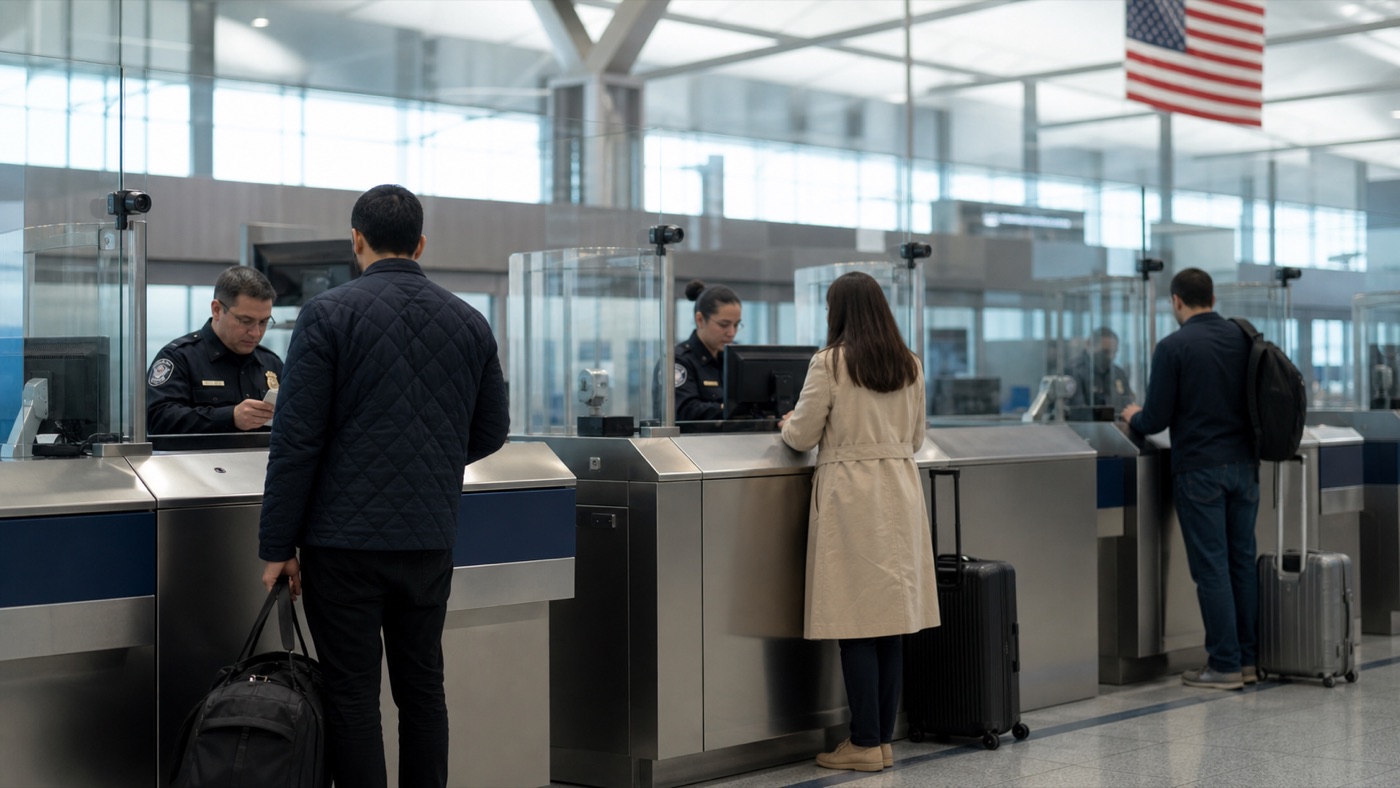
What the Ending Birth Tourism order does
The second order, Ending Birth Tourism, is mainly an immigration enforcement measure. It targets a person whose primary purpose in seeking a nonimmigrant visa or entering the country is to give birth so the child obtains US citizenship.
It authorises visa refusals or revocations and action at the border. The order also directs agencies toward removal proceedings where the law permits. People or businesses that organise paid birth-travel schemes may face separate immigration or enforcement consequences.
This doesn't mean pregnancy by itself bars travel. The question is the primary purpose of the trip, the truthfulness of the application and the visitor's ability to pay for legitimate medical care. A patient travelling for specialist treatment can present a very different case from a customer buying a package whose advertised outcome is a US passport for the baby.
Consular officers and border officials will examine facts rather than marketing labels. A valid visa allows a traveller to seek entry; it doesn't guarantee admission on arrival.
Birth tourism was already restricted before 2026
The August order builds on an existing rule. Since 24 January 2020, the Department of State has instructed officers to refuse a B visitor visa when they believe the applicant's primary purpose is giving birth in the United States to obtain citizenship for the child. The department's 2020 policy notice remains a useful explanation.
Current visitor visa guidance likewise says birth tourism isn't permitted. Legitimate medical treatment remains possible, subject to evidence about the treatment and the visitor's finances.
The change in 2026 is therefore not a first ban. It is a broader enforcement instruction tied to a new attempt to define when citizenship itself may be withheld. Those two tracks mustn't be confused. A parent can face a visa consequence even when a court later confirms the child's citizenship.
What families should do now
Anyone with a pending trip or planned US birth should start with the facts already given to the consulate. An inconsistency between the visa application, medical bookings and the explanation at the airport can become more serious than the original travel question.
Keep records showing why the trip is necessary, who will pay the hospital and where the funds came from. Don't use a provider that sells accommodation or medical coordination as a guaranteed citizenship package. A neat brochure won't cure a false statement to a federal officer.
Families should also avoid making an irreversible nationality decision while the agency guidance is unfinished. The orders give federal departments 30 days to issue public instructions. Those instructions may clarify effective dates and how officials intend to handle births arranged before 6 August. Litigation could then suspend part of the policy or narrow its reach.
The safest sequence is specific: US immigration counsel reviews entry and visa risk, while a citizenship lawyer reviews the constitutional question for the child. Tax advice may be needed if the wider plan includes residence. Become Global Citizen can coordinate that review, but we don't sell birth arrangements or present childbirth as an investment migration product.
Birthright citizenship is not an investor programme
Some families looking at these orders are really trying to secure long-term US residence. A lawful residence route gives a clearer basis for that objective.
The US EB-5 programme can lead to permanent residence through a qualifying investment and job creation. It doesn't confer citizenship on payment. The newer Trump Gold Card route also begins with permanent residence, with naturalisation considered later under the ordinary statutory rules.
That difference should drive the planning. A Green Card creates residence duties and potential US tax exposure. A second passport from another country solves a different problem. Families comparing outcomes can review the citizenship programme comparison and check relative travel access in the passport index.
What comes next
The next useful document will be agency guidance, not another headline. It should show how consular posts, border officers and citizenship agencies will interpret the new categories. Court filings will then reveal which provisions face immediate challenge.
Until that happens, the broad constitutional rule from Trump v. Barbara remains central. The August orders seek exceptions around difficult facts; they don't replace the Supreme Court's judgment. A family with a real case needs an analysis tied to parent status, travel history and the purpose of any payments connected to the birth.
For a private review of a US residence plan, use our contact form. We'll separate confirmed law from policy that may still move before recommending the next step.
US birthright citizenship orders FAQ
Did the August 2026 orders end US birthright citizenship?
No. The general constitutional rule remains in place after the Supreme Court's June 2026 decision. The new citizenship order identifies narrower categories that the administration says fall outside automatic recognition, and those categories are likely to be tested in court.
Can a pregnant traveller still visit the United States?
Pregnancy alone isn't an automatic visa refusal. A visitor may travel for a legitimate reason, including qualifying medical treatment, but must answer truthfully and show how care will be paid for. Travel primarily to obtain citizenship for a child is not permitted under visitor visa policy.
Does a valid US visa guarantee entry?
No. A visa permits the holder to request admission. A border officer makes the entry decision after reviewing the purpose of travel and the traveller's admissibility.
Could payment for surrogacy affect a child's citizenship?
The new order expressly refers to certain paid surrogate arrangements. Its scope and constitutional validity are unresolved, so a case involving surrogacy needs advice from US counsel based on the contract and the parents' status.
Is EB-5 a route to immediate US citizenship?
No. EB-5 is a permanent residence route. An approved investor may later apply for naturalisation after meeting the applicable residence and other legal requirements.