Bulgaria permanent residence bill: new presence rule explained
Bulgaria may require permanent residents to spend six months and one day in the country each year. See what the pending bill means for investors.
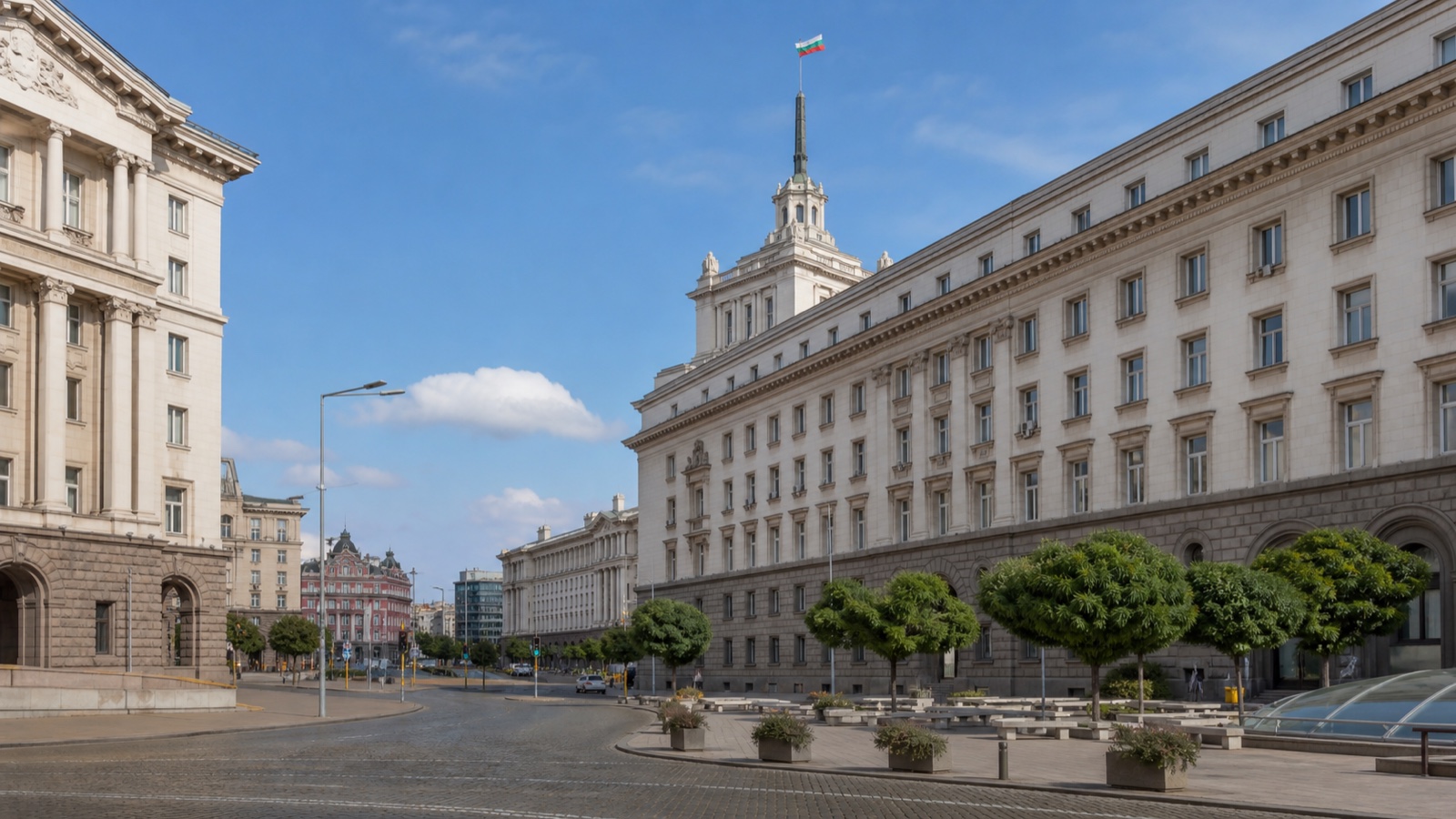
Bulgaria's permanent residence framework may be heading for a substantial change. A government bill submitted to the National Assembly would allow the authorities to withdraw permanent residence when a holder spent less than six months and one day in Bulgaria during the previous calendar year.
The government approved the draft on 27 July 2026. Parliament registered it the following day under reference 52-602-01-29. The proposal is broad. It is written for permanent residence holders generally, not only people who qualified through investment. If adopted in its current form, the rule could affect investors as well as family-based residents and other foreigners holding the same national status.
Nothing has changed yet. The text is a bill, and it still has to pass the parliamentary process. That distinction is the most important fact in the file today. Become Global Citizen is treating this as a live legislative risk, not as a rule already in force.
What Bulgaria's permanent residence bill proposes
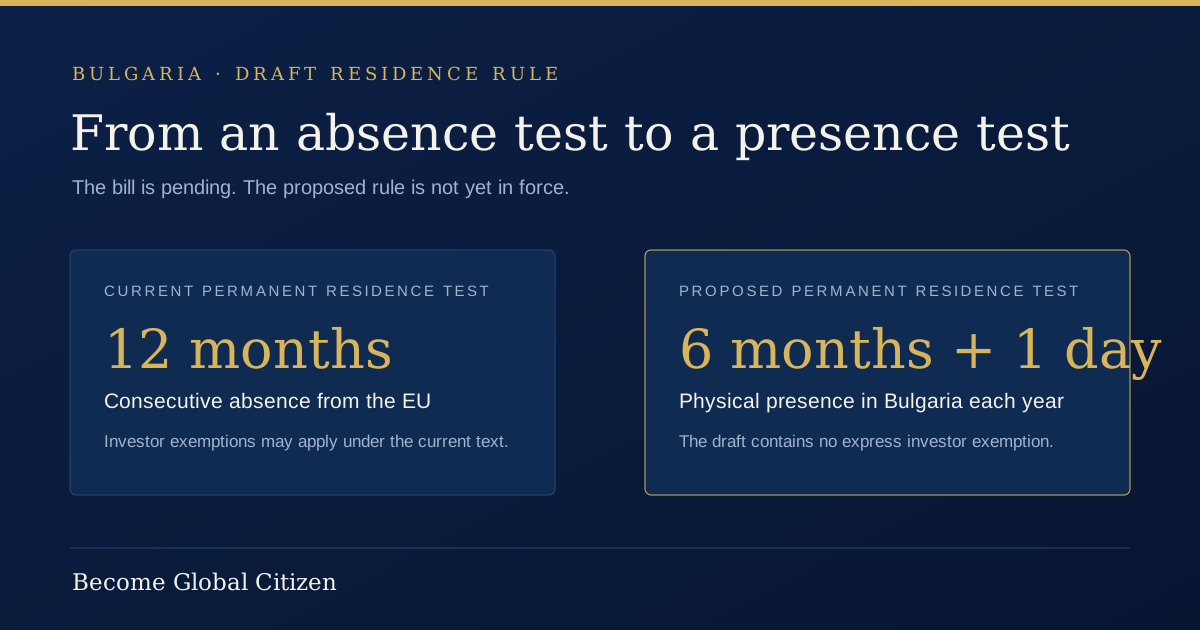
The draft would introduce a new ground for withdrawing permanent residence. A holder would need to show physical presence in Bulgaria for at least six months and one day in the previous calendar year. In practical terms, that is a majority-of-the-year test.
The current rule works differently. It can reach a long-term or permanent resident after 12 consecutive months outside the European Union as a whole. The proposed wording separates the two statuses. Long-term residence would remain under the EU-wide absence test, while permanent residence would move to a Bulgaria-specific presence test.
That is not a small drafting adjustment. A person who visits the EU often but spends little time in Bulgaria may satisfy the current rule and fail the proposed one.
Why the proposal matters to investor residents
Bulgaria's investment route has stood out because qualifying applicants could receive permanent residence without relocating full-time. The commonly used fund route starts with a subscription of EUR 511,291.88, the exact euro conversion of the former BGN 1 million threshold.
Under the current structure, an investor can hold Bulgarian permanent residence while keeping the main home and business elsewhere. The draft would reverse that practical benefit. A permit sold on flexibility would become a status requiring more than half the year in Bulgaria.
For an internationally active founder, 184 days is not a light compliance visit. It decides where the person actually lives. It can also affect tax residence, family calendars and the management location of a business.
This is why the proposal deserves more attention than its short wording suggests. The investment amount is not changing in economic terms, but the life attached to the permit may change completely.
Would existing investor permits be exempt
The draft doesn't provide a clear investor exemption from the new presence rule.
The current absence provision contains protections tied to several investment grounds. The proposed text keeps some exemption wording in the section dealing with long-term residence, but moves permanent residence into a new item. That new item contains no express carve-out for investors.
Read plainly, a person holding national permanent residence alone could fall under the new six-month-and-one-day test. An adviser should not promise grandfathering based on the existing exemption because the bill does not say that existing permits are protected.
There is still room for the text to change. A parliamentary committee may add an investor exception or a transition period. It may also narrow the provision before the final vote. Until then, both outcomes remain possible.
No transition rule has been written yet
The bill does not state which calendar year would be tested first. It also does not contain a specific commencement date or a grandfathering clause for current permanent residents.
That omission creates an awkward scenario. If the law were published late in 2026 and entered into force under Bulgaria's default constitutional timing, the authorities might be asked to assess presence during a year that began before holders knew about the proposed obligation.
We would expect this point to receive attention during the legislative process. Expectation is not protection, though. Existing cardholders should preserve travel records now rather than attempt to reconstruct them after a final vote.
A basic evidence file should include entry and exit records, boarding passes where available and dated proof of accommodation. Bank activity may help establish actual presence, but it should support the travel record rather than replace it.
Investment thresholds are moving into euros
Bulgaria adopted the euro on 1 January 2026. The same bill restates investment amounts in euros at the fixed conversion rate. The economic thresholds do not increase.
| Former amount | Euro amount in the draft |
|---|---|
| BGN 500,000 | EUR 255,645.94 |
| BGN 1 million | EUR 511,291.88 |
| BGN 2 million | EUR 1,022,583.76 |
| BGN 3 million | EUR 1,533,875.64 |
| BGN 5 million | EUR 2,556,459.41 |
| BGN 6 million | EUR 3,067,751.29 |
These are currency conversions, not fresh investment prices. The proposed physical-presence rule is the substantive change.
Extended residence permits are outside the new test
The new withdrawal ground is drafted for permanent residence. Bulgaria's extended residence permits remain under their own framework. The bill converts several of their thresholds from lev to euro but does not attach the proposed majority-of-the-year test to those permits.
That difference could matter for new applicants. Permanent residence may still carry stronger legal status, but an extended residence route could offer a different balance if the final law makes physical presence impractical.
Investors should compare the document they are actually receiving, not just the country name. Our European residence overview explains why permanent residence and renewable residence are not interchangeable products.
How Bulgaria compares if the rule passes
If the bill becomes law without an exemption, Bulgaria would lose much of its appeal as a low-presence permanent residence option. The programme could still suit a family planning a genuine move to Sofia or another Bulgarian city. It would be harder to defend as a residence card kept in reserve.
Malta offers permanent residence from the outset under its current programme without demanding a full-time move. Our 2026 Malta MPRP analysis covers the family and property rules. Other European routes provide renewable residence with lighter attendance, although the status and citizenship clock differ.
The citizenship point also needs care. Bulgaria ended its direct citizenship-by-investment framework in 2022. Permanent residents may have a later naturalisation route if they meet the legal conditions, but no investor should describe the current permit as an automatic EU passport. Our 2026 citizenship routes review separates active programmes from old claims still circulating online.
What current holders should do now
Selling the investment or abandoning the permit because of a draft would be premature. Ignoring the proposal would be equally careless.
Current permanent residents should first confirm the precise legal basis shown on their approval and residence card. The next step is to calculate 2026 presence using actual travel dates. Anyone approaching a naturalisation eligibility date should also check whether a residence interruption could reset the relevant period.
New applicants need a written scenario analysis. One version should assume that the bill fails or gains an investor exemption. The second should price the consequences of spending at least 184 days a year in Bulgaria. If the family cannot accept the second version, that fact belongs in the decision now.
Become Global Citizen will follow the committee text and parliamentary votes before treating the proposal as settled. For a review of an existing Bulgarian permit or a comparison with another European residence route, send the permit basis and family timeline through our contact form.
Bulgaria permanent residence bill FAQ
Is Bulgaria's 183-day permanent residence rule already in force
No. The government has submitted a bill to the National Assembly. It must still complete the parliamentary process and may be amended.
How much time would permanent residents need to spend in Bulgaria
The draft requires at least six months and one day during the previous calendar year. Depending on the year, that means at least 183 or 184 days.
Does the proposal exempt golden visa investors
The new permanent-residence provision contains no express investor exemption. Parliament could still amend the text before adoption.
Would the rule apply to existing permanent residents
The draft contains no grandfathering language. It also does not say which calendar year would be tested first.
Have Bulgaria's investment amounts increased
No. The bill converts the existing lev amounts into euros at the fixed rate following euro adoption. Their underlying value remains the same.