Malta MPRP in 2026: 5 reasons permanent residence is back on investor shortlists
Malta's Permanent Residence Programme is getting a second look after the citizenship route closed. The 2025 rule changes made the MPRP more usable for families that want a long-term European base without a full relocation.
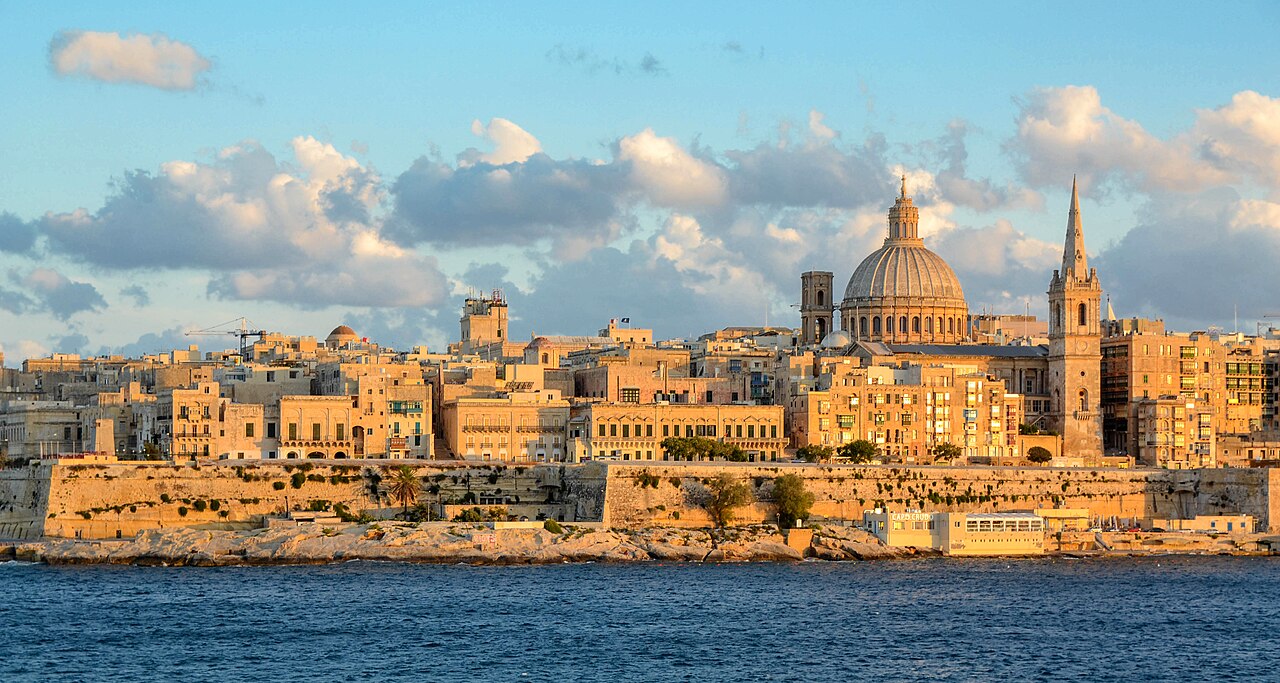
Malta used to enter client calls as the citizenship answer. That has changed. Since the direct citizenship route closed, the more serious question is simpler and, frankly, more useful: what can Malta still do for a family that wants Europe on the table?
The answer is the Malta Permanent Residence Programme, usually shortened to MPRP. It isn't new. What is new is the amount of attention it is getting from families who had mentally filed Malta away after the citizenship news.
At Become Global Citizen, we are seeing Malta come back into the shortlist for a very practical reason. The country still gives families a stable EU and Schengen base, English is widely used, the legal system is familiar to many international advisers, and the programme now has a cleaner route into residence while the main file is being processed.
That matters. A residence product is only useful if the family can picture actually using it.
1. Malta is still a serious European base
There are places that work on paper and then feel awkward in real life. Malta usually does the reverse. It can look small from a spreadsheet, but the island makes more sense once a family has spent a week there and tested the rhythm.
For younger founders, Malta is not a retirement island. It has gaming, fintech, funds, aviation, maritime services, private client work, and a dense English-speaking professional market. For older families, the case is different. The draw is schooling, healthcare, Schengen access, safety, and the ability to keep a European plan alive without tearing up the current home structure.
That split is why MPRP has a wider audience than people assume. It can sit behind an active business life, but it can also sit quietly as a family continuity plan.
The Malta programme page on Become Global Citizen covers the wider Malta framework, including the post-CBI landscape. For families now comparing residence rather than citizenship, the MPRP is the part that deserves a closer read.
2. The temporary residence step changed the feel of the process
The most useful 2025 update is not the headline fee. It is the one-year temporary residence permit that can be requested after the application is submitted, subject to the Agency's process and documentation requirements.
That sounds administrative. In practice, it changes the family's planning calendar.
Under the old mental model, applicants often treated Malta as something that would happen later, after approval. Now the file can start to feel less like a waiting room. Once the early checks and document work are moving, the family can begin making Malta part of the year sooner, instead of keeping the whole plan theoretical until the end.
This is especially relevant for clients with school timing, elderly parents, or business setup work in Europe. A twelve-month permit does not remove the need for due diligence. It does, however, make the first year more usable.
The official legal framework also keeps the core promise intact: a successful certificate gives the beneficiary and approved dependants the right to reside, settle, or stay indefinitely in Malta, provided the programme conditions keep being met.
3. The family logic is stronger than the headline suggests
MPRP is not just a main-applicant product with a spouse added on the side. Its dependant structure is one of the reasons families keep asking about it.
The rules can include the spouse, minor children, qualifying adult dependent children, parents, and grandparents of either the main applicant or spouse, provided dependency and eligibility tests are met. That can make the programme relevant across more than one household at the same time.
This is where office reality comes in. On calls, the first question is often the investment number. Ten minutes later, the real issue appears: a parent who needs a calmer base, a child who may study in Europe, a spouse who wants the option but not the obligation to move now.
The MPRP answers that kind of file better than many residence products. It is not perfect for everyone, and dependency evidence needs to be handled carefully. Still, the family reach is a genuine advantage when the file is more than a single-person mobility exercise.
4. Renting keeps the entry decision lighter
Applicants do not have to buy Maltese real estate to qualify. A qualifying lease can start from €14,000 per year, and the qualifying property must be held for the required period under the programme rules.
That point matters more in 2026 than it did a few years ago. Many investors are cautious about buying into a small island property market before they know how the family will use Malta. Renting lets the family test the island without turning the residence decision into a property bet on day one.
For clients who do want to buy, the qualifying owned property threshold is €375,000 under the current legal framework. The separate decision is whether the property has a real life beyond the file: location, rental depth, maintenance, resale, and whether the family would actually use it.
At Become Global Citizen, we usually frame this as a two-track question. If Malta is a living plan, buy with use in mind. If Malta is a strategic reserve, a lease may be cleaner while the family's pattern becomes clear.
5. No full-time relocation requirement makes it flexible
The MPRP is not asking every family to move full-time. That is the point.
For some clients, Malta becomes home. For others, it becomes a winter base, a Schengen anchor, or the place the family can reach if the current country stops feeling comfortable. Those are different use cases, and forcing them into one lifestyle story would be lazy advice.
This is also where Malta sits neatly beside other European residence options. Portugal can still be attractive for families that want a slower citizenship path through residence. Greece can work when real estate is the main draw. Italy and Hungary have their own investor visa logic. Malta's pitch is different: permanent residence, English-language ease, a defined family framework, and no need to pretend you are moving tomorrow if you are not.
If you are comparing those routes, start with the residency investment overview, then narrow the list by actual use. A residence card that never fits the family's calendar is not a plan. It is a folder.
What the current numbers look like
The current MPRP framework is not cheap, but it is legible.
| Item | Current figure |
|---|---|
| Main applicant administration fee | €60,000 |
| Amount due at submission | €15,000 |
| Remaining administration fee after approval in principle | €45,000 |
| Government contribution | €37,000 |
| Qualifying lease | from €14,000 per year |
| Qualifying owned property | from €375,000 |
| NGO donation | €2,000 |
There are also dependant fees in several cases, due diligence costs, agent fees, property costs, insurance, and document expenses. Those should be modelled before a family decides whether Malta is cheaper than its alternatives. Sometimes it is. Sometimes the better answer is a different residence route.
Who should look at it now
The MPRP is worth a serious look if the family wants an EU and Schengen base, does not need citizenship on a fixed short timeline, and values permanent residence over a looser renewable visa. It is also worth attention if the file includes parents or grandparents, because that is where Malta can do something more useful than many headline-cheaper options.
It is a weaker fit if the only goal is a passport, if the budget is tight after adding every dependent and property cost, or if the family has no real reason to use Malta. A residence product should not be bought as decoration.
The short version from our desk: Malta is no longer the easy citizenship conversation. It is now a residence planning conversation. That is less flashy, but for the right family, it may be more honest.
Become Global Citizen can help compare Malta's MPRP against Portugal, Greece, Italy, Hungary, and the UAE using the same family assumptions rather than five separate sales pitches. If Malta is already on your list, send us the outline: family size, preferred property route, timing, and whether the goal is a living base or a protected option.